

Recovery after a C-section, MYTH debunked.
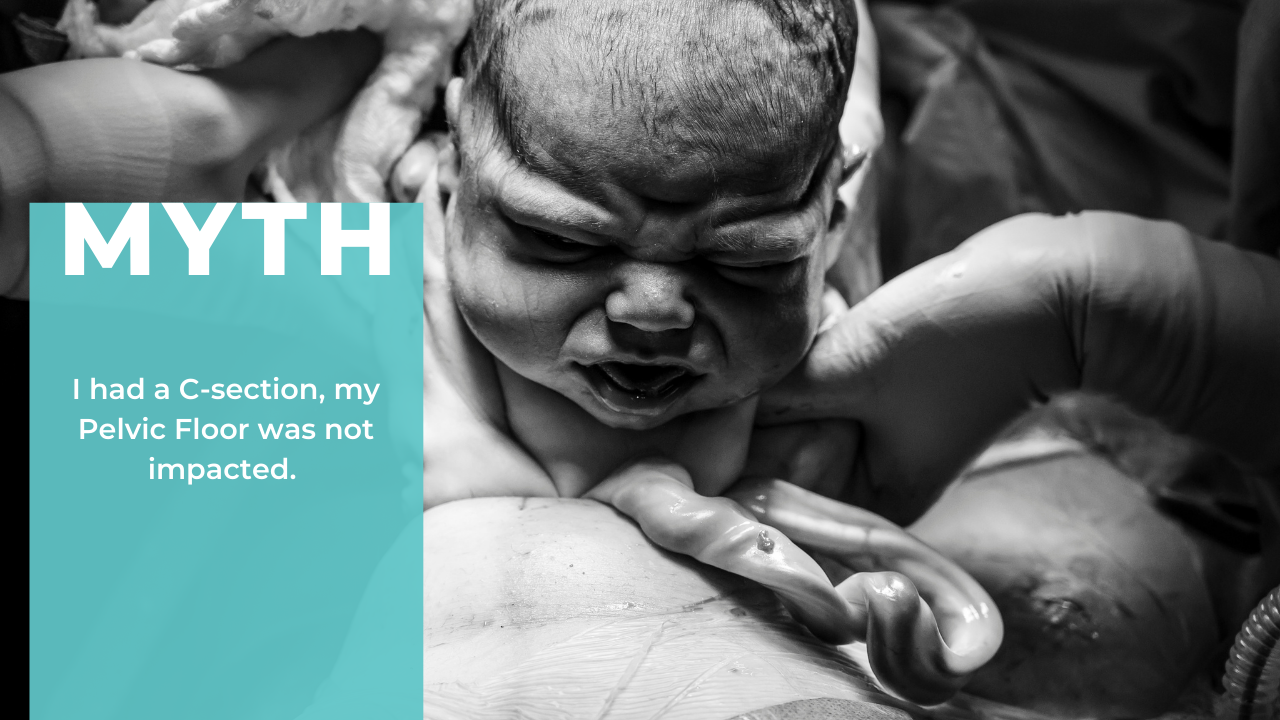
“I Had a C-Section, So My Pelvic Floor Wasn’t Impacted…Right?”
Myth.
A common misconception is that a cesarean birth means the pelvic floor isn’t affected. In reality, all pelvic floor muscles are influenced by pregnancy and birth—regardless of delivery type.
Like any muscle group, the pelvic floor needs to move through its full range of motion to function well. Dysfunction occurs when these muscles cannot fully relax, contract, or coordinate effectively.
Types of Pelvic Floor Dysfunction
Pelvic floor dysfunction generally presents in two ways:
1. Low Tone (Lengthened & Weak)
This can contribute to:
Urinary leakage
Pelvic organ prolapse
Reduced sensation during sex
Decreased pelvic joint stability, which may affect hips, back, and overall movement
2. High Tone (Hypertonic / Overactive)
This can contribute to:
Pelvic pain
Pain or intolerance with penetration
Urinary leakage
Persistent tightness in the hips, pelvis, or lower back
Both patterns are common—and both can occur after a C-section.
How a C-Section Can Impact the Pelvic Floor
Even without a vaginal birth, there are several ways a cesarean delivery can affect pelvic floor function:
1. Pregnancy Alone Increases Pelvic Floor Demand
Throughout pregnancy, the weight of the baby places sustained pressure on the pelvic floor. Changes in posture, breathing, and core strength can leave the pelvic floor overstretched, tense, or poorly coordinated—before labor even begins.
2. Pushing Before a C-Section
If you labored or pushed prior to surgery, the pelvic floor may experience additional strain. However, even without pushing, the body responds to surgical trauma by temporarily “shutting down” muscles near the incision to allow healing.
Because the pelvic floor and deep abdominal muscles work closely together, reduced abdominal function can directly affect pelvic floor activation and support.
3. Pain, Stress, and Guarding
Post-surgical pain, anxiety, and nervous system stress can cause the pelvic floor to tighten as a protective response. This is a normal reaction—but one that can lead to persistent tension and dysfunction if not addressed.
4. Reduced Movement After Surgery
Early postpartum mobility is often limited after a C-section. Since the pelvic floor thrives on gentle movement and load variation, prolonged inactivity can contribute to reduced coordination and strength.
Why Pelvic Floor Rehab Still Matters After a C-Section
Every postpartum body deserves rehabilitation.
A cesarean birth involves cutting through tissues that contribute to pelvic and spinal stability. We wouldn’t expect a professional athlete to return to sport after surgery without structured rehab—yet postpartum recovery is often expected to happen without guidance.
Seeing a pelvic floor physiotherapist and following a progressive rehabilitation program can help restore:
Strength
Coordination
Confidence
Long-term pelvic and core health
No matter how you gave birth, your body deserves support to recover well and move forward strong.
